National Pantheons of Europe
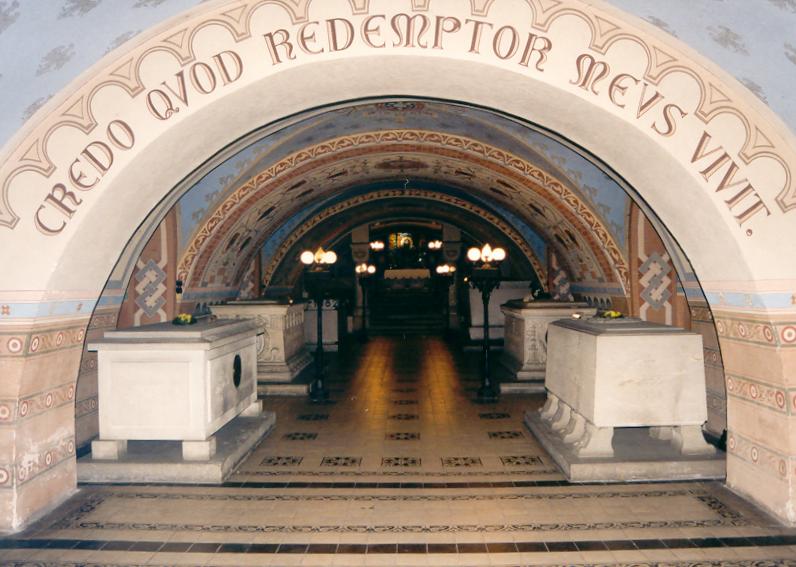
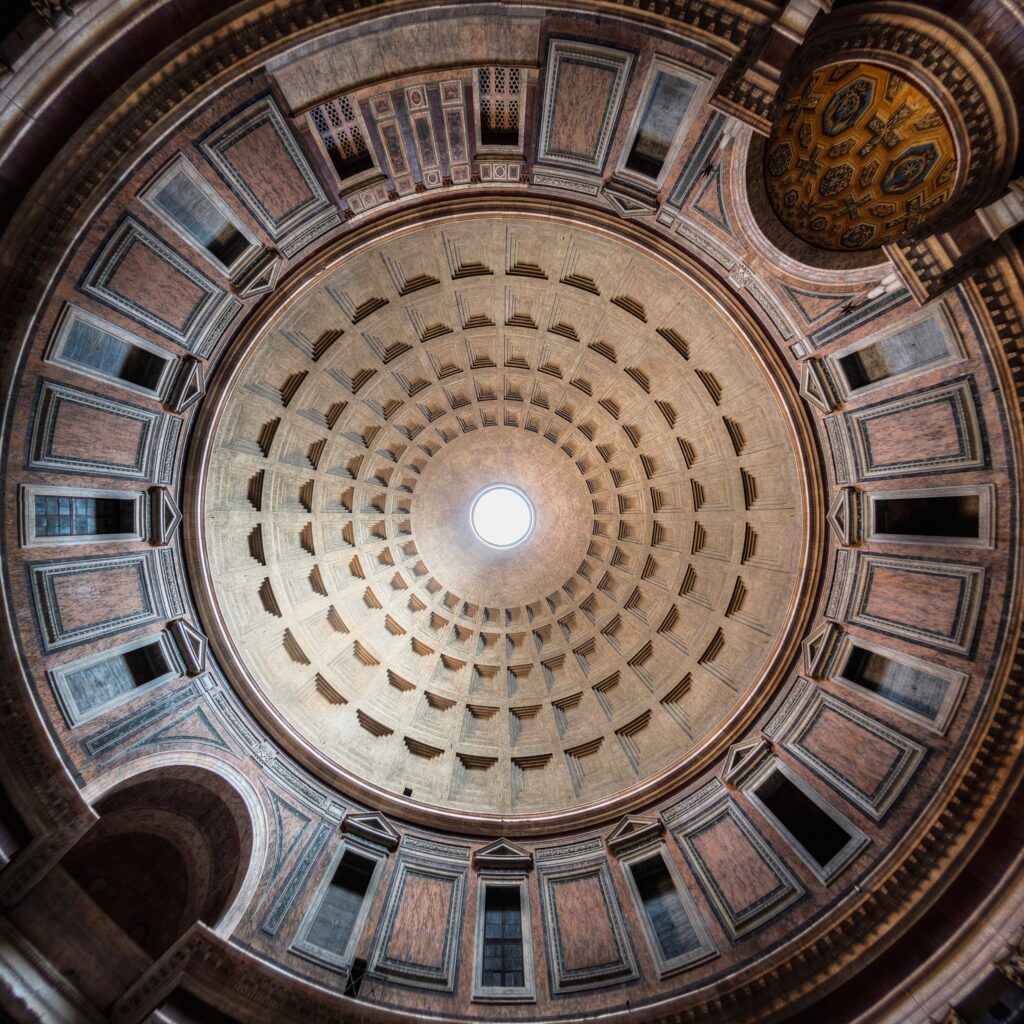
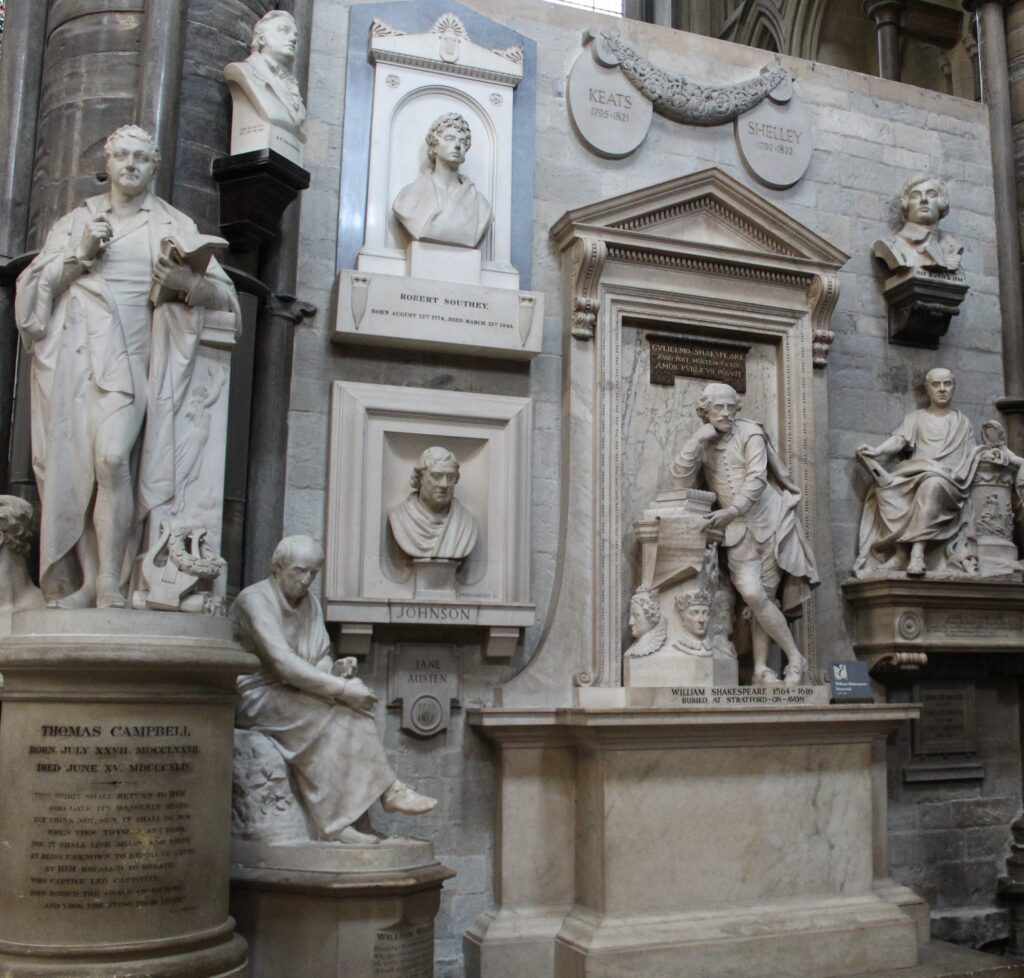
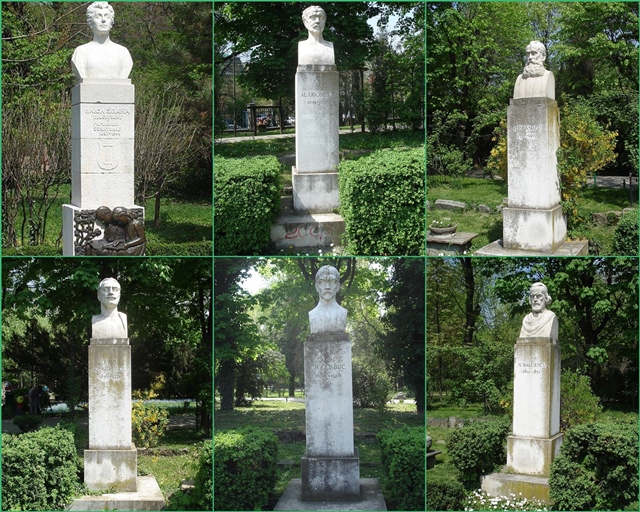
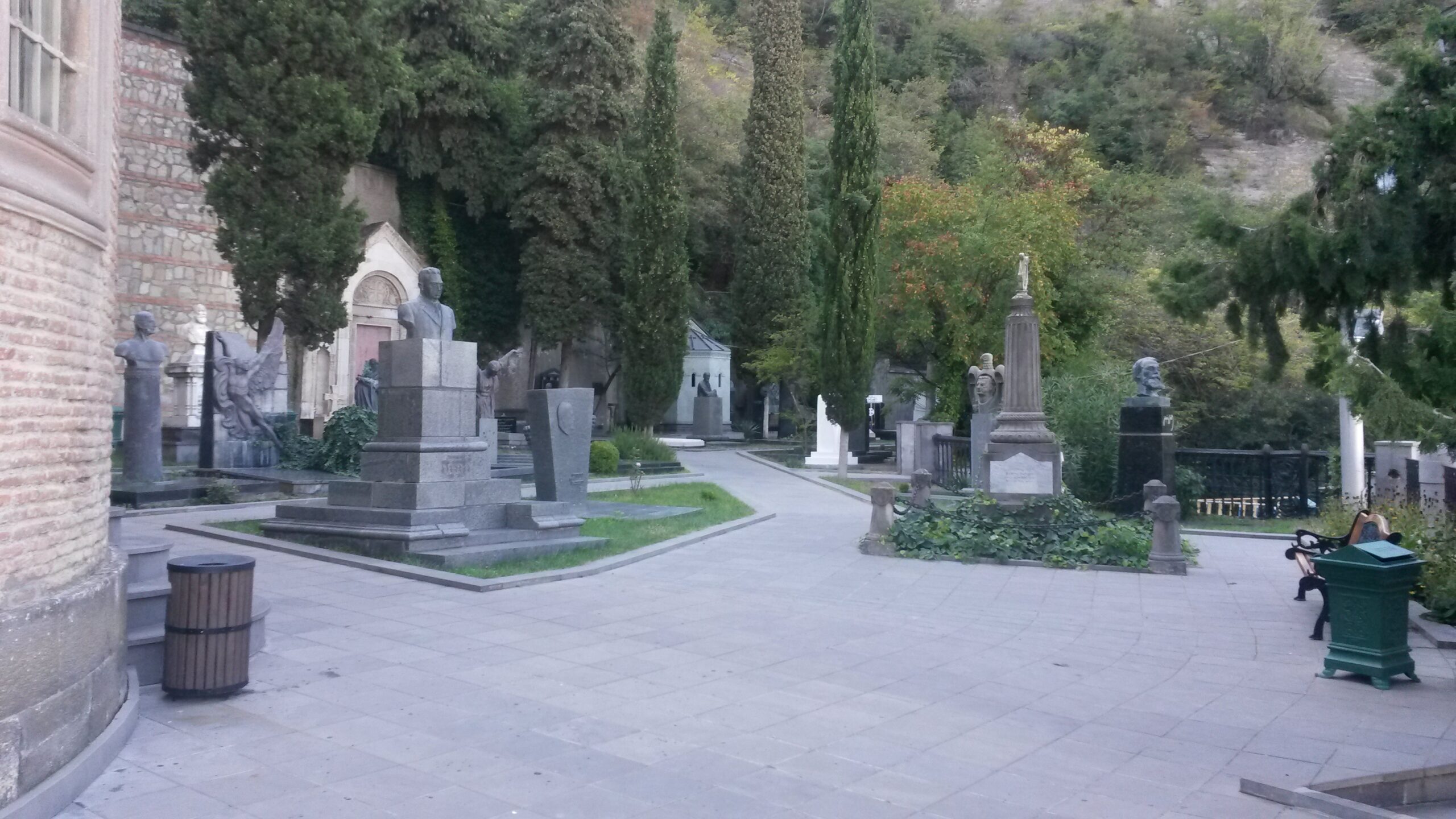
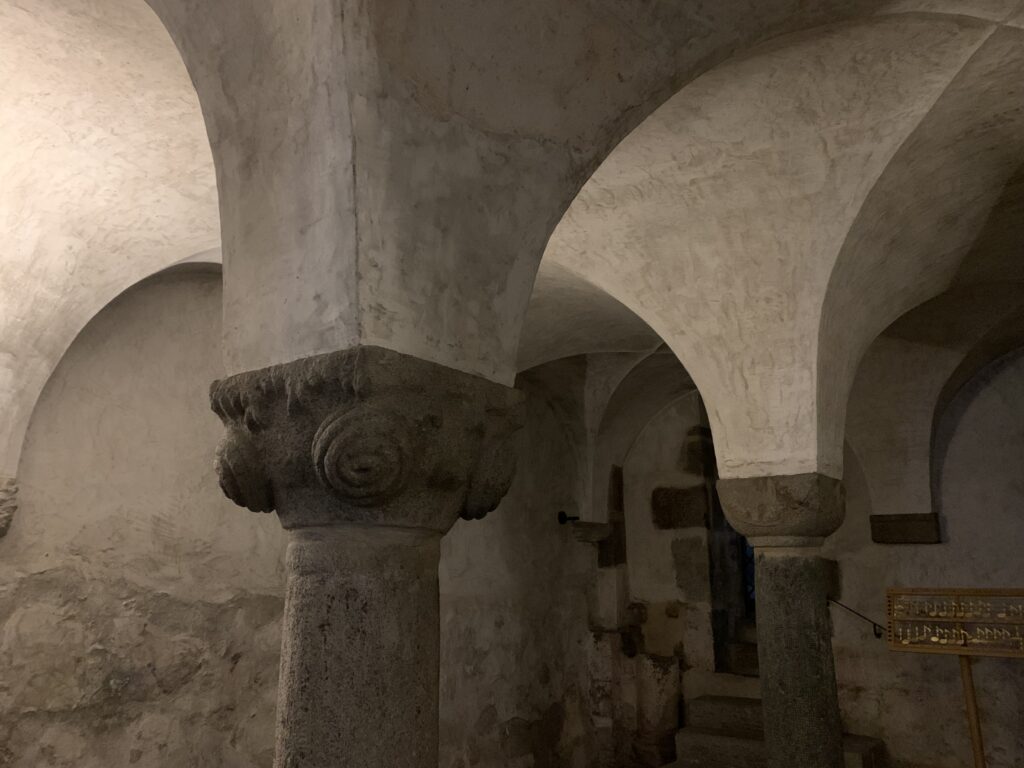
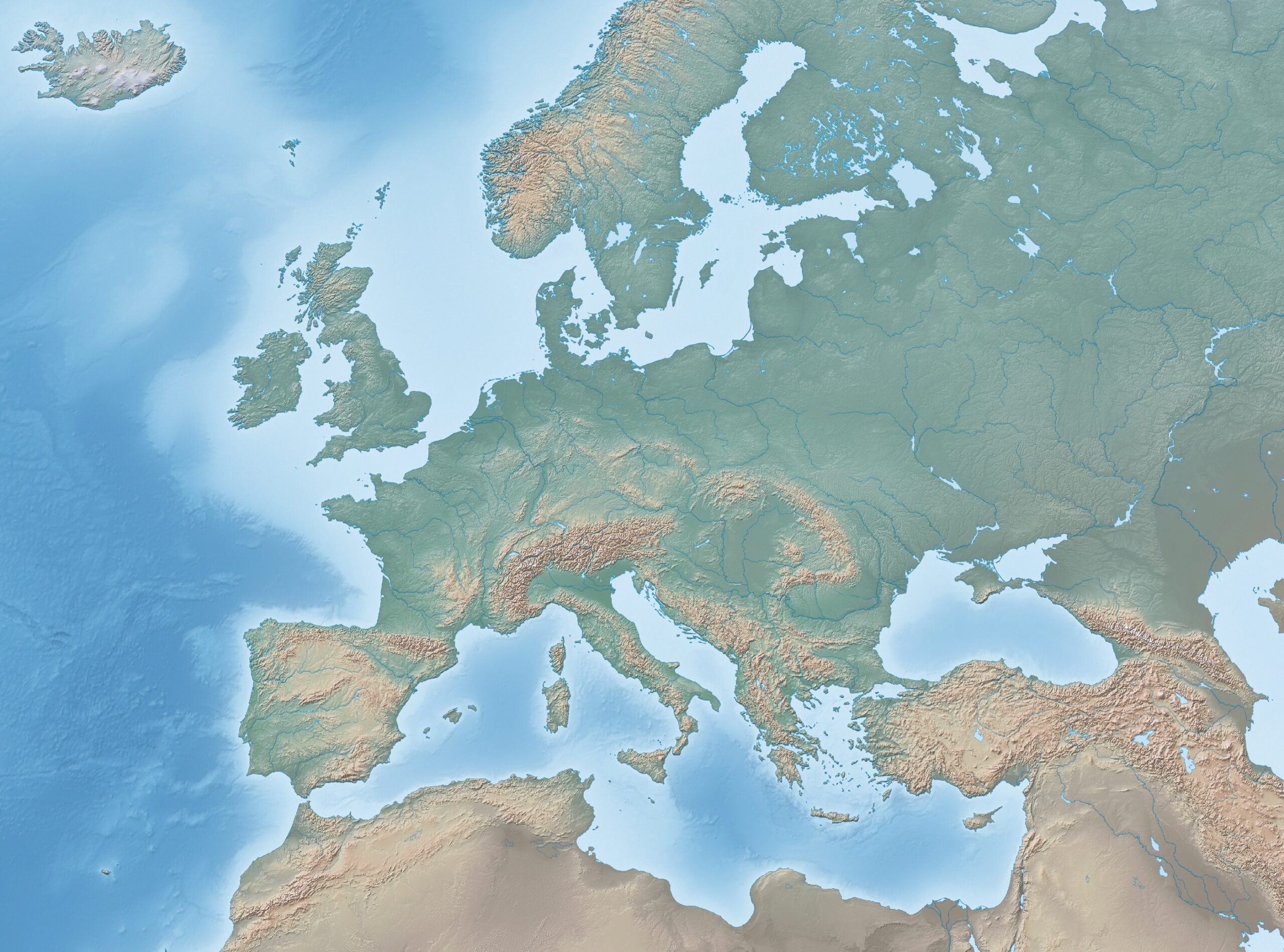
Throughout the period of nation-building, especially in its later stages, many European cultural communities attempted to establish so-called national pantheons. This historically unique type of pantheon began its triumphal march during the long nineteenth century and spread beyond Europe in the early twentieth century. As new imagined communities, nations needed heroes whom they could ritually venerate in prestigious places. For this reason, the protagonists of national movements invented pantheons of so-called national greats that materialized as concrete spaces (temples, cemeteries, sculptural pantheons) in which the forces of nationalism, commemoration, and sacralization were intensely intertwined.Which European cultural communities have created the most interesting national pantheons? When did they do so? Who created them, and who was included in them? What types of pantheons were prevalent? To answer these questions, the map below provides short entries on individual cultural communities written by the project members.
About
This website was created in 2025 to serve as the platform for the research project National Pantheons of Europe: Nation, Commemoration, Sacralization (ZRC SAZU-RSF); led by Marijan Dović at the Research Centre of the Slovenian Academy of Sciences and Arts (ZRC SAZU), the project is funded by the Slovenian Research and Innovation Agency (ARIS) for the three-year period from January 2025 to December 2027. The project, carried out by an interdisciplinary research team at ZRC SAZU in collaboration with renowned international partners, aims at a comparative analysis of the heavily under-researched phenomenon of national pantheons in Europe. It aims to show that comparative work on pantheons is relevant both for the study of national movements and for the more general academic work on the emergence of a Europe of nations as a process that has decisively shaped modern history. As such, the project has the potential to significantly impact the state of the art in political, cultural, and art history, as well as in memory and nationalism studies.
The colophon
National Pantheons of Europe
https://national-pantheons.zrc-sazu.si
ISSN: XXXXXX
Publisher:
ZRC SAZU Institute of Slovenian Literature and Literary Studies
Novi trg 2
1000 Ljubljana
Slovenia
Editor: Marijan Dović
Web layout: Uroš Parazajda